









Urban Wildlife Conservation Strategies

Urban wildlife conservation strategies are essential to preserving biodiversity and promoting ecological balance within city environments. As urban areas expand, interactions between people and wildlife become increasingly frequent and complex. Effective conservation not only protects animal populations but also enhances quality of life for city dwellers by maintaining ecosystem services, fostering green spaces, and nurturing coexistence. This page explores comprehensive approaches for urban wildlife conservation, delving into their significance, methodologies, community involvement, and the opportunities cities have to lead by example in conservation initiatives.

Urban Habitat Restoration

Native Plant Reintroduction

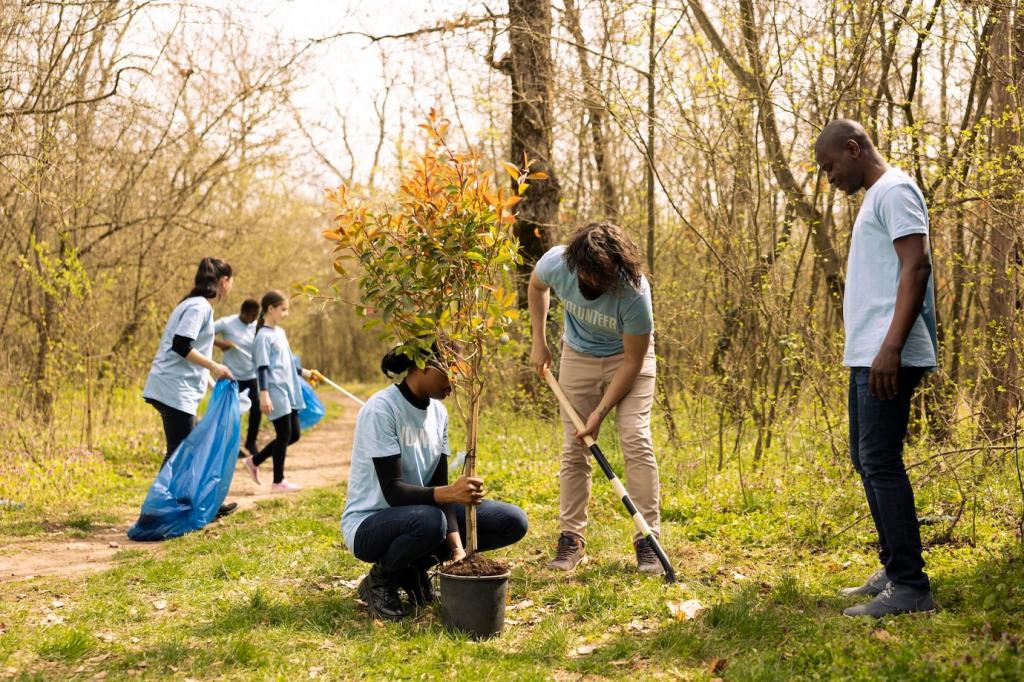
The use of native plant species in urban landscapes is a foundational component of habitat restoration. Native plants provide necessary food sources and shelter for insects, birds, and mammals adapted to local conditions. Their deep root systems help prevent soil erosion and improve water retention, making urban green spaces more resilient. Furthermore, incorporating these species reduces maintenance costs, as they require fewer chemical inputs and less irrigation. Over time, the establishment of diverse native plant communities can revitalize entire ecosystems, enabling city wildlife to thrive amidst human development.

Wetland Rehabilitation in Cities

Urban wetlands are vital for flood control, water purification, and as habitats for countless species. Unfortunately, these areas are frequently drained or filled to accommodate buildings and infrastructure. Wetland rehabilitation initiatives focus on restoring the natural hydrology and planting native wetland vegetation, which provides foraging and breeding sites for amphibians, birds, and aquatic invertebrates. Such projects not only support biodiversity but also offer aesthetic and recreational benefits to urban residents, connecting communities with the natural world while mitigating climate change impacts such as increased rainfall and flooding.

Green Corridors and Connectivity

Urban landscapes often fragment wildlife habitats, making it challenging for animals to travel safely in search of food, mates, or shelter. Establishing green corridors—continuous stretches of vegetation linking isolated habitats—mitigates these challenges by facilitating safe movement. Corridors might include roadside plantings, railway embankments, or dedicated greenways. Connectivity fosters genetic diversity, reduces wildlife casualties from traffic, and enables recolonization of restored habitats. By weaving these green networks into city planning, urban areas can sustain robust, interconnected wildlife populations.

Managing Human-Wildlife Conflict

A nuanced understanding of urban wildlife behavior is essential when designing management strategies. Many species display remarkable adaptability in cities, changing their feeding, breeding, or movement patterns in response to the environment. Identifying the factors that attract wildlife—such as food waste or unsecured trash—enables targeted interventions. Research initiatives utilizing tracking technology, citizen science observations, and data analysis underpin efforts to anticipate periods or locations of high conflict. Armed with this knowledge, city officials and residents can implement tailored, non-lethal solutions that mitigate risks while minimizing harm to wildlife.

Urban Bird Conservation

Cities can serve as vital habitats for a surprising variety of birds, including migratory species and rare nesting populations. Conservation initiatives include installing nesting boxes, creating pollinator-rich gardens, and modifying glass architecture to reduce collisions. Monitoring programs led by ornithologists and citizen scientists identify population trends and areas of concern. Public events such as bird walks, migratory festivals, and volunteering opportunities foster community involvement. By recognizing and meeting the specific needs of urban birds, cities can host vibrant avian communities that contribute to pest control, pollination, and a connection to nature.

Urban Bat Protection

Bats are integral to healthy urban systems through their role as pollinators and insect predators. However, habitat loss, roost disturbance, and negative perceptions threaten many bat populations. Urban bat conservation involves safeguarding natural and artificial roost sites, such as mature trees and bat boxes, and integrating bat-friendly plants into green spaces. Public education addresses misconceptions about bats, emphasizing their ecological benefits and the low risk they pose. Partnerships with researchers who monitor urban bat populations inform management actions, ensuring that these elusive mammals remain key contributors in urban environments.

Policy and Governance in Urban Conservation

Sound urban wildlife policies synthesize insights from ecology, urban planning, and social sciences to create comprehensive management guidelines. They may stipulate habitat conservation targets, restrictions on development near ecologically sensitive areas, and requirements for wildlife impact assessments in city projects. Integrative policies are adaptive, evolving as new challenges arise or as scientific understanding grows. By embedding conservation goals into broader urban development initiatives, city governments can mainstream biodiversity considerations, achieving both ecological sustainability and improved quality of urban life.

Community Participation and Stewardship

Citizen Science Initiatives

Citizen science empowers local communities to collect valuable data on wildlife sightings, habitat conditions, and species distribution. Projects can range from standardized bird counts to smartphone-based reporting of urban mammals or amphibians. Participants gain an understanding of local biodiversity while contributing to long-term scientific studies that inform management decisions. These initiatives democratize conservation, enabling residents to play an active role and fostering stronger connections between people and nature in urban contexts.

Integrating Wildlife Conservation into Urban Planning

Wildlife-Sensitive Land Use Planning

Land use planning incorporating wildlife needs allocates space for both development and conservation. Planners might identify, protect, and connect critical habitats through zoning laws, setbacks, and protected area designations. Incorporating environmental impact assessments into the approval process ensures that potential harm to wildlife is considered early. This approach allows for measured urban growth while safeguarding vital green corridors, wetlands, and forest patches that support urban biodiversity.

Green Infrastructure and Urban Design

Green infrastructure refers to the network of natural and semi-natural elements—such as parks, green roofs, and urban forests—embedded within cities to provide ecological functions. When designed with wildlife in mind, these spaces offer habitat connectivity, nesting opportunities, and food resources. Permeable surfaces, daylighted streams, and vegetated swales enhance ecological value while managing stormwater. Urban design that prioritizes green infrastructure brings art, recreation, and nature together, elevating quality of life and resilience in urban neighborhoods.

Retrofitting Existing Spaces

Many urban areas suffer from a legacy of wildlife-unfriendly design. Retrofitting involves modifying existing infrastructure—bridges, culverts, walls, and gray spaces—to better support wildlife. Measures include installing wildlife passages, removing invasive species, and adding vertical gardens. Retrofitting can transform derelict sites into vibrant habitats, revive degraded waterways, and reconnect isolated green patches. As cities age and evolve, retrofitting becomes an essential strategy, unlocking new conservation opportunities within the urban fabric.

Monitoring and Adaptive Management

Ongoing monitoring of wildlife populations provides critical data on the success of conservation initiatives and identifies emerging threats or opportunities. Methods might include camera trapping, acoustic monitoring, and field surveys supplemented by citizen science observations. Robust datasets facilitate trend analysis and help managers allocate resources where they are most needed. Regular population assessments are also essential for complying with legal protections for threatened species and for communicating progress to the public.